Learning from people, practice and place


Finance alone could not build sustainable enterprises
Emerging recyclers needed access to funding, but many also needed viable business plans, stronger financial management and help turning equipment purchases into functioning operations. A new departmental grant programme therefore had to do two things at once: enable enterprise development and establish credible controls for public funds.
Thabo and his team worked with stakeholders and partners to turn a policy objective into a practical programme proposition. In 2015, this involved translating the MinMEC objective into a programme concept and consulting provincial stakeholders. Engagements with development finance institutions, transaction advisers, donors and the dtic helped test the available funding and support options.
The resulting investment case examined demand, enterprise readiness and the opportunities in recycling-sector development. The case presented to National Treasury secured an initial approval of R197 million. Across the 2017, 2018 and 2022 funding windows, the case-study materials record 56 enterprise awards with a combined grant value of R266,610,217.
Connecting programme design with the realities of delivery
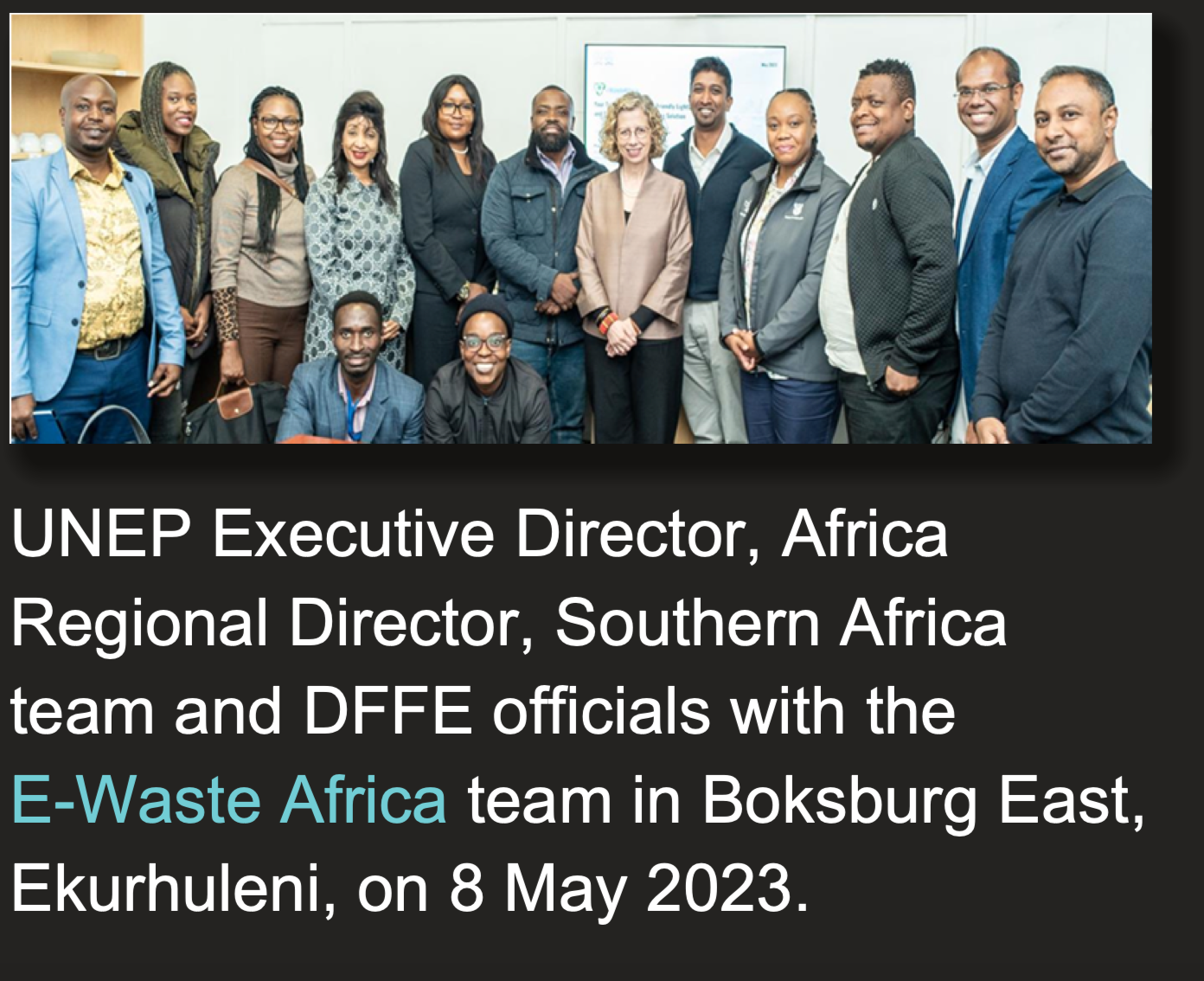
Thabo led RESP’s development and coordinated its implementation through DFFE, working with a departmental team, provincial stakeholders and enterprise owners. Together, they undertook research, stakeholder engagement, business-plan reviews, implementation planning, progress monitoring, site verification and programme handover.
Building a delivery model and a capable team
A team new to this type of departmental grant programme needed shared ways of working. Thabo and the team developed implementation guidelines and built shared delivery practices through beneficiary meetings, business-plan reviews and site visits. These engagements strengthened practical skills in evidence assessment, risk identification and constructive feedback across the team. This supported consistency across enterprises at different stages of development and across all nine provinces.
Making plans realistic
Support to enterprise owners began with understanding their operational and management constraints. Thabo and the team worked with enterprise owners to test assumptions in business plans, procurement budgets and delivery schedules, helping them revise proposals into implementable plans. Milestones, responsibilities and evidence requirements made the connection between the grant agreement and day-to-day delivery clearer.
Coaching with empathy and accountability
First-time entrepreneurs were not always familiar with government reporting and financial controls. The approach shared by Thabo and his team was to explain why a requirement mattered, listen to the underlying constraint and agree practical corrective action with the enterprise owner. Coaching covered monthly tracking, quarterly reports, record keeping and the approved use of ring-fenced funding. Where evidence remained insufficient or breaches required escalation, accountability remained essential.
Following the evidence
Quarterly and financial reports were considered alongside site verification of assets, expenditure and personnel. This helped distinguish capability gaps from non-compliance and informed follow-up, support and corrective action. Closeout and handover also provided opportunities to retain lessons for the programme’s next stage.
Practical support shaped around the business
The following examples illustrate support provided through the DFFE team, including Thabo’s direct engagement with enterprise owners. Progress depended on the work of the programme team, partners and the enterprises themselves.
Itirele Holdings: turning grant obligations into management routines
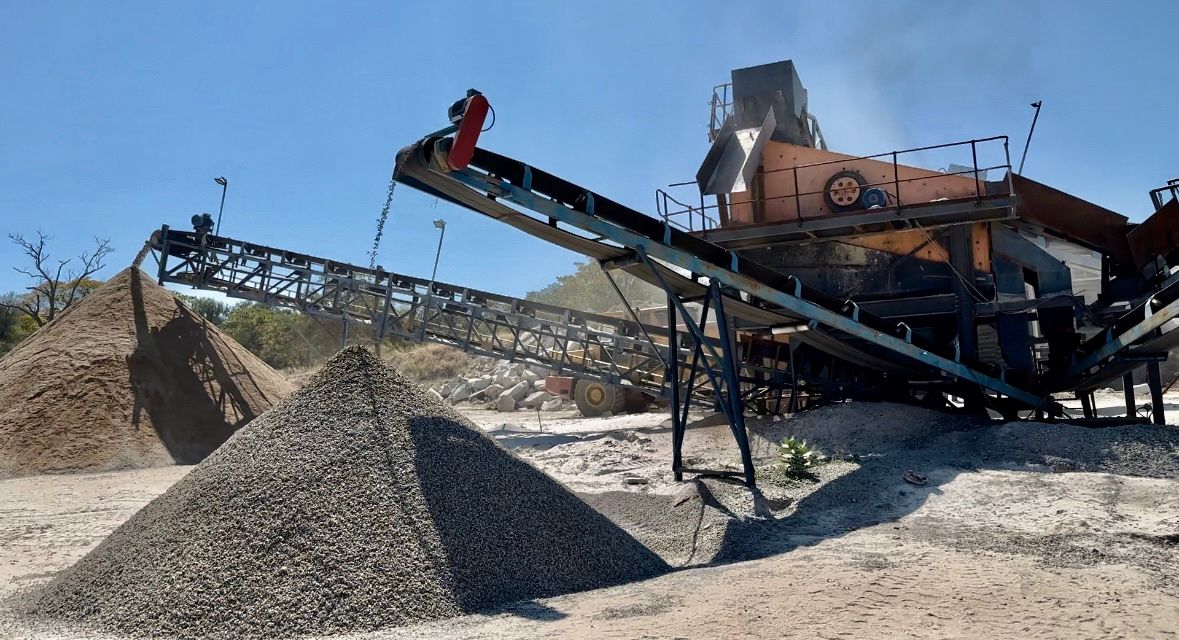
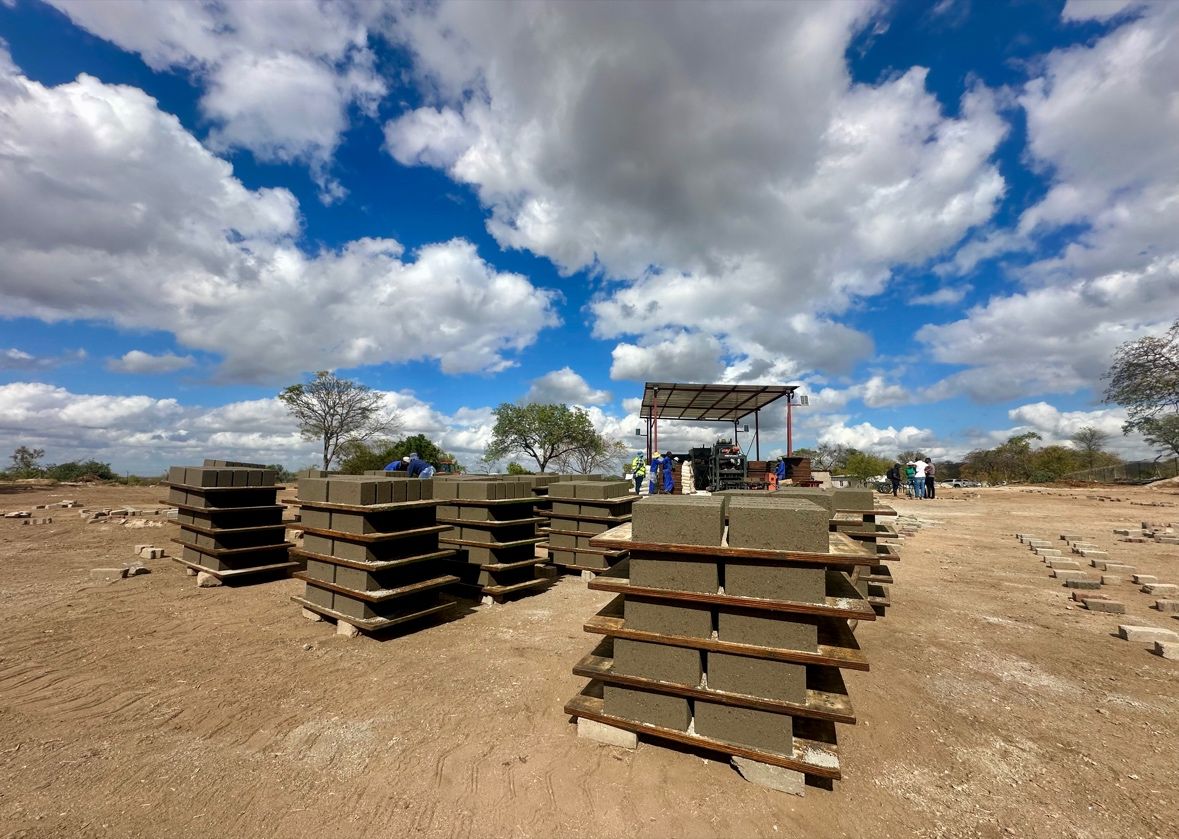
This woman-owned and managed enterprise converts concrete quarry tailings into bricks, lintels and other construction materials through industrial symbiosis. A 2022 RESP beneficiary, it received support from Thabo and the RESP team from February 2023 to January 2026.
Their support focused on planning, milestones and reporting evidence, with site engagement helping the team and enterprise identify progress and follow-up needs. Explaining monthly tracking, quarterly reporting, record keeping and approved funding uses helped strengthen understanding of project and grant responsibilities.

K1 Recycling: linking expansion plans to implementation
Founded by Tshepo Mazibuko, K1 Recycling buys and processes recyclables from waste pickers. A R5 million RESP grant supported expansion into plastics processing.
Thabo and the RESP team helped connect the business plan with implementation priorities and clarify the information required to account for delivery. Working with the enterprise, they encouraged structured progress reviews, better record keeping and attention to emerging issues. This example also underlines why operational survival, commercial viability and completion of programme support must be assessed separately.


Trash Converters: navigating equipment procurement
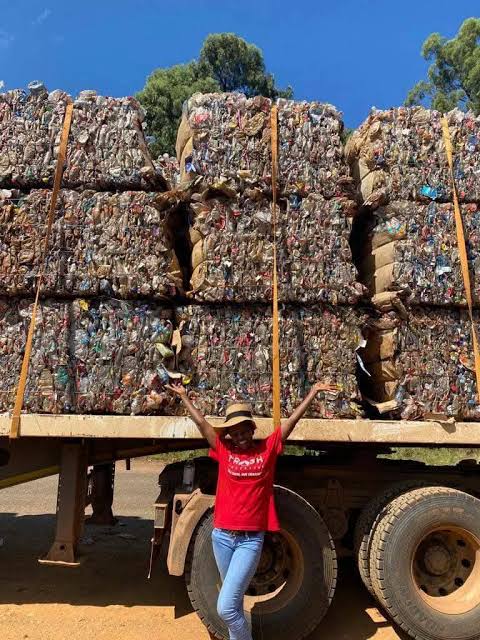
Founded and led by Rotondwa Musitha, this community recycling and waste buy-back centre received RESP funding in 2022. In May 2025, Thabo provided direct guidance to the enterprise team on importing recycling machinery from South East Asia and moving it to South Africa, as part of the wider support provided through RESP.
Working with the enterprise team, he explained the sequence, coordination needs and practical implications of the process. This collaborative engagement helped the enterprise approach machinery procurement and logistics more systematically and identify issues requiring attention.

Creating opportunity while learning from uneven outcomes
RESP connected enterprise support with recycling activity, employment and participation in the waste economy. The case-study materials report that Eco Care was operational in March 2025 with 30 permanent employees and more than 200 waste-picker suppliers. Phambili reported processing growth from 50 to more than 120 tonnes per month. Bagodumo continued operating after a fire, retaining 38 employees from an earlier 59.
These examples show both opportunity and vulnerability. These reported enterprise outcomes reflect the efforts of enterprise owners and their staff, alongside support from DFFE teams and programme partners. The materials also identify late reporting, mixed commercial results, audit findings and controls requiring improvement.
The shared contribution of Thabo, his team and programme partners was to connect policy intent, a credible programme case, accountable delivery practices and direct engagement with enterprise owners. The experience reinforced a practical lesson: funding works better when technical guidance, management capability and reporting discipline develop alongside it.
That experience informs how Thabo and his colleagues approach advisory work today: diagnose before prescribing, agree realistic milestones, build capability through regular engagement and keep a clear record of decisions, evidence and corrective actions.